This presentation is part of my current book project on steampunk and what I call nineteenth-century digital humanities. I make the case in the introduction that we need better models for digital humanities scholarship that interface with different historical periods, particularly when those periods have been appropriated or adapted into digital media. For me, the […]
Author: Roger Whitson
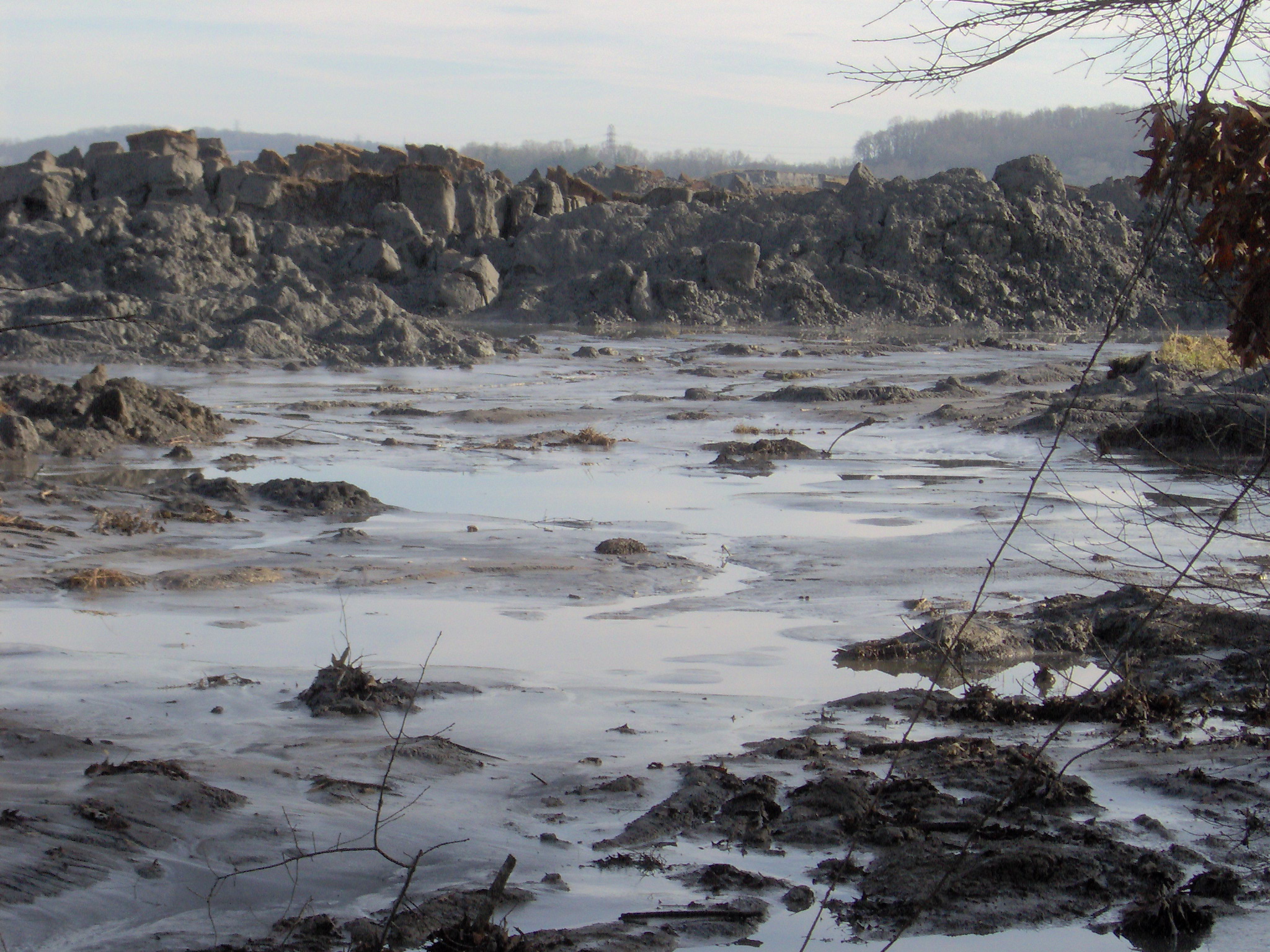
I want to mention that my information on Baotou is h/t Jentery Sayers, who engaged me in a fascinating conversation about resource depletion and the technological/ industrial contexts of digital media on Facebook. Nearby the village of Baotou in Inner Mongolia, a 5.5 diameter-wide artificial lake is composed entirely of a black toxic sludge. The […]
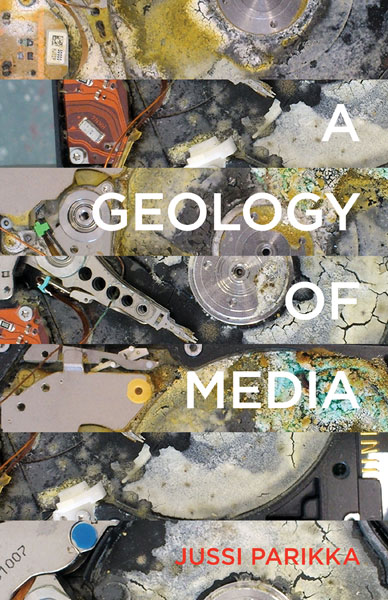
A Geology of Media. Jussi Parikka. U of Minnesota Press, 2015. pp. 224. $25. ISBN: 978-0-8166-9551-5 Jussi Parikka’s A Geology of Media is a rough, sometimes precariously constructed, yet urgently needed manifesto about practicing media studies in the Anthropocene. Parikka radicalizes Friedrich Kittler’s claim that human beings are extensions of media, which is itself a […]
[Slide 1] So, I want to use my introduction to distinguish between two movements that I’m finding common in my field, and which are, in my view, transforming how we view narrative. [Slide 2] I work in literary studies, but I’m interested in the ways digital technology transforms nineteenth-century history. My first book was on […]
[Slide 1]: Hi, so I want to thank Todd for that great introduction. I also want to thank my committee members Debbie Lee, Patty Ericsson, and Kim Christen and the rest of the English department for really guiding me through this process. And, most importantly, I thank Leeann for her constant help and love and my […]
[Slide 1]: Hi, so this is a really brief historical presentation that’s designed to do two things: 1) explore the temporality of material technology, and 2) brainstorm about possible ways this kind of work can interface with literary study. The second part I haven’t quite figured out yet. [Slide 2]: There are several ways, I think, […]
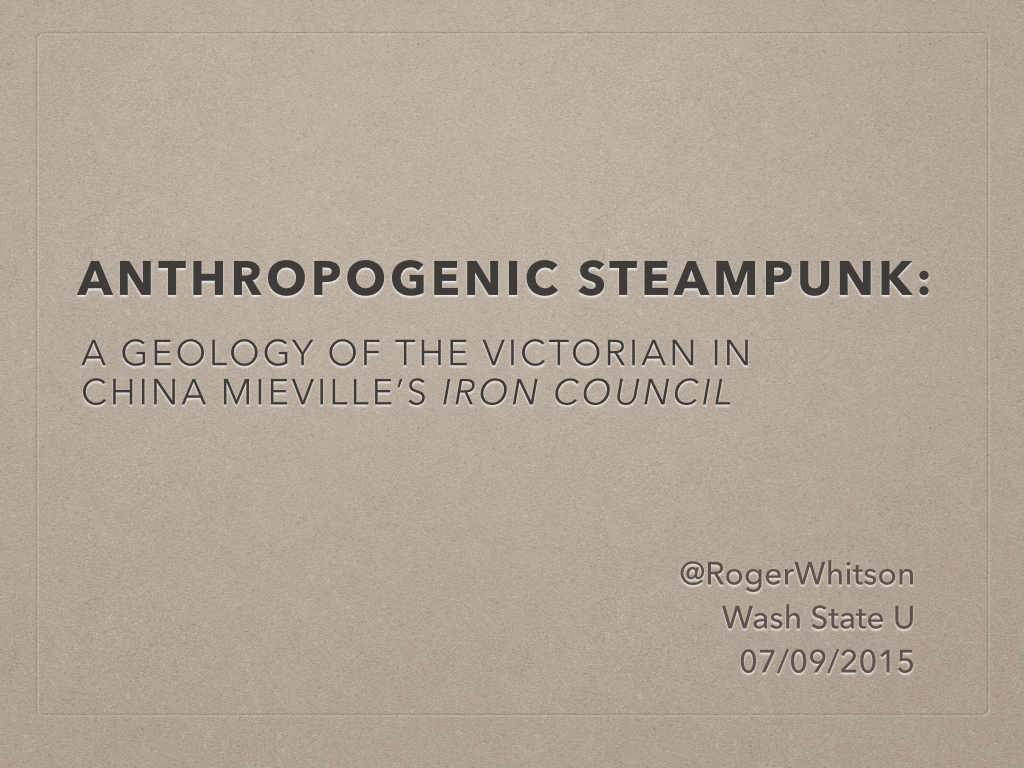
[Slide 1]: So, this is a very short part of my current book project on steampunk, nineteenth-century British literature, and the digital humanities. Overall that project is suggesting that steampunk offers a model for understanding how people are manipulating the nineteenth-century to speculate about possible or impossible alternate histories. I’m also interested in how our […]
I was inspired by the opening of Blake’s paintings in Oxford, and this wonderful piece by Philip Pullman to write my own ruminations on what William Blake means to me. My memories of Blake, however, are inextricable from my memories of Donald Ault: the most important thinker and teacher of my career. I learned recently […]
Chair: Jay Clayton (Vanderbilt) Rachel Bowser (Georgia Gwinnett) and Brian Croxall (Emory), “Mobility, Leisure, and Annihilation in Steampunk Transport Narratives” Kathryn Crowther (Georgia Perimeter), “From Steam Arms to Brass Goggles: Steampunk, Prostheses, and Disability.” Lisa Hager (Wisconsin-Waukesha), “An Alternate History of Sexuality: Victorian Gender in Scott Westerfield’s Leviathan trilogy.” Roger Whitson (Washington State), “Victorian Design […]
What do you know about Maker Culture? Give you an introduction to: Its history Some of the politics surrounding it Some of the things people do with it. Introduce and Demo the Arduino Microprocessor Maker Culture, Maker Movement, MakerFaire Hackerspaces DIY Fabrication Maker Faires – there have been some in Portland. Also Make Magazine […]