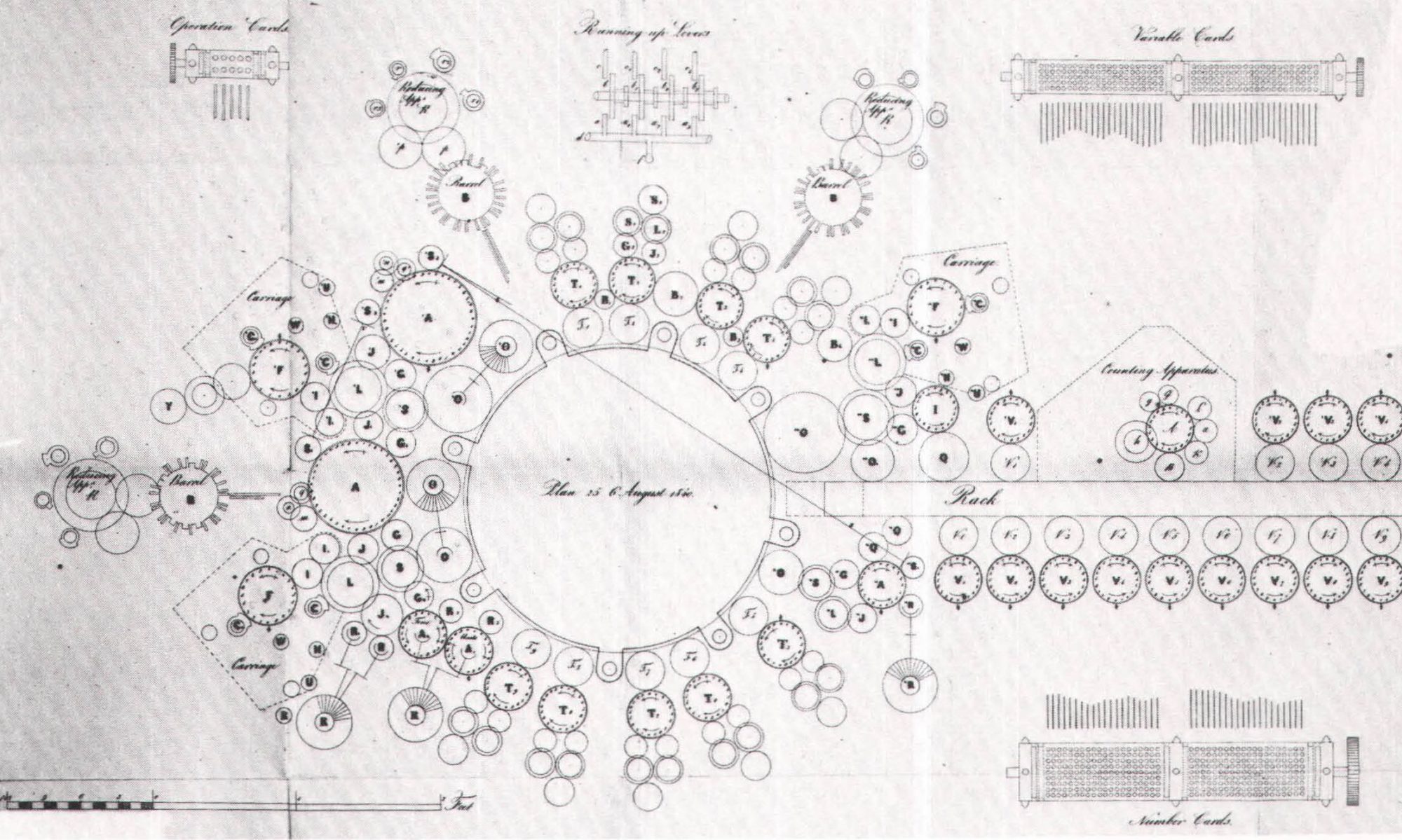
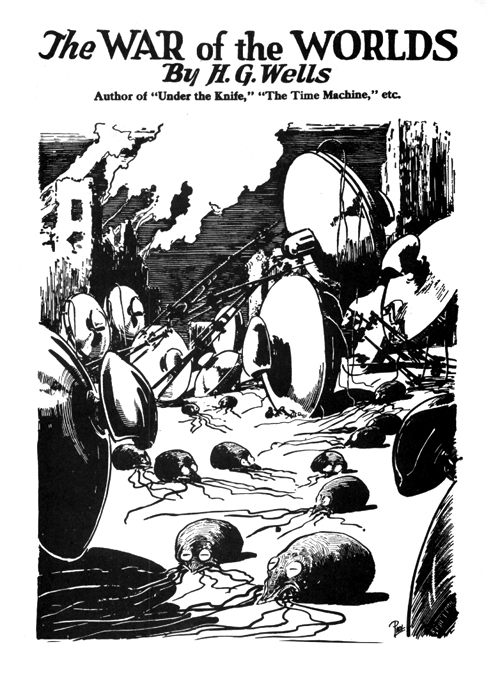
Perhaps nothing better reflects the ambivalence of many people toward advances in science and technology than the co-presence of Gothic tales with science fiction. This is particularly true in the nineteenth-century, as early examples of science fiction were often indistinguishable from the Gothic genre. As Fred Botting observes, “Gothic and science fiction share a fascination with the ruination of the species and the monsterous dissolution of the imaginary integrity of the human body” (119). This course will trace the development of Gothic literature and science fiction in the nineteenth-century, paralleling their history with scientific developments that created anxiety in the human-centered nineteenth-century imaginary: James Hutton and Charles Lyell’s theory of deep time, William Herschel’s telescopic charting of an ever expanding cosmos, and Charles Darwin’s development of the theory of evolution. Course requirements include two presentation and a final 18-20 page seminar paper.
Course Objectives. After taking this course, students will be able to:
• Understand how scientific advances changed literary and philosophical expression in the nineteenth century.
• Complicate traditional understandings of Gothic literature by showing how it intersected with science fiction.
• Examine the “fissures” in humanist discourse involving science in the nineteenth-century and how those fissures translated into anxieties involving gender, race, and class.
Week 1: Horror and Philosophy
• Eugene Thacker, In the Dust of This Planet: Horror of Philosophy.
Week 2: Gothic Doubles and Automatons
• James Hogg, Confessions of a Justified Sinner. (1824)
• Sigmund Freud, “The Uncanny.”
Week 3: The Geological Sublime
• James Hutton, “Selections from Theory of the Earth (1788)
• Adeline Buckland, “Selections from Novel Science: Fiction and the Invention of Nineteenth-Century Geology.”
Week 4: Hollow Earth
• Jules Verne, A Journey to the Center of the Earth (1864)
• Barri J. Gold “Selections from ThermoPoetics: Energy in Victorian Literature and Science.”
Week 5: Hollow Earth 2
• Edward Bulwer-Lytton, The Coming Race (1871)
Week 6: The Ends of the Earth
• William Hope Hodgson, The House on the Borderland (1908)
Week 7: Cosmic Wonders
• Richard Holmes, “Herschel on the Moon.” The Age of Wonder.
• H.G. Wells, War of the Worlds (1897)
Week 8: Cosmic Trances
• Marie Corelli, A Romance of Two Worlds (1886)
• Sarah Willburn, “Rethinking Interiority Through Nineteenth-Century Trance Novels.” Possessed Victorians: Extra Spheres in Nineteenth-Century Mystical Writings.
Week 9: Cosmic Horrors
• Algernon Blackwood, Ancient Sorceries and Other Weird Stories (1907)
• S.T. Joshi, “Selections from The Weird Tale.”
Week 10: Darwin
• Charles Darwin, “Selections from The Descent of Man.” (1871).
• Elizabeth Grosz, “The Inhuman in the Humanities: Darwin and the Ends of Man.” Becoming Undone: Darwinian Reflections on Life, Politics and Art.
Week 11: Degeneration
• Robert W. Chambers, The King in Yellow (1895)
• Max Nordau, Degeneration (1892)
Week 12: Possession
• Vernon Lee, Hauntings (1890)
• Christa Zorn, “Vernon Lee and the Fantastic.” Vernon Lee: Aesthetics, History, and the Female Intellectual.
Week 13: Transmutation
• Arthur Machen, The Three Imposters or the Transmutations (1895)